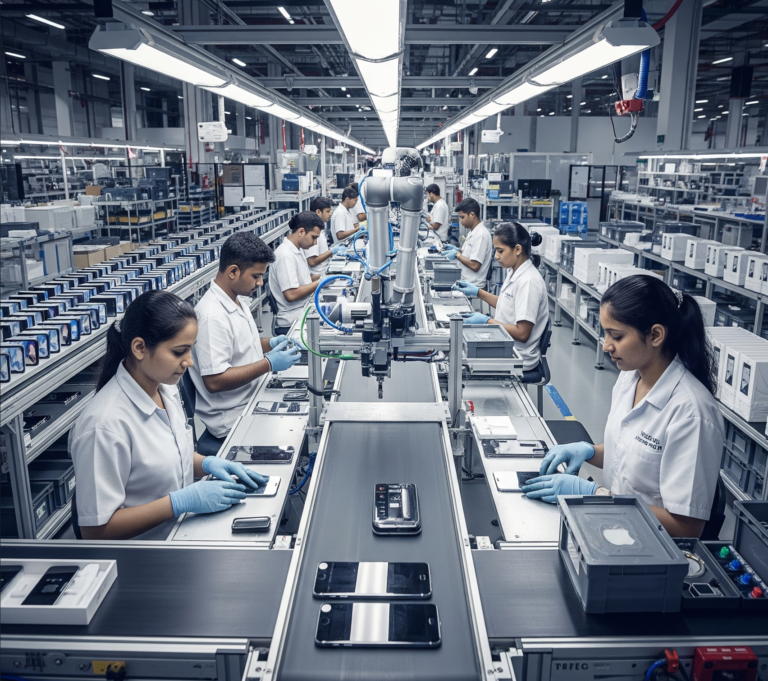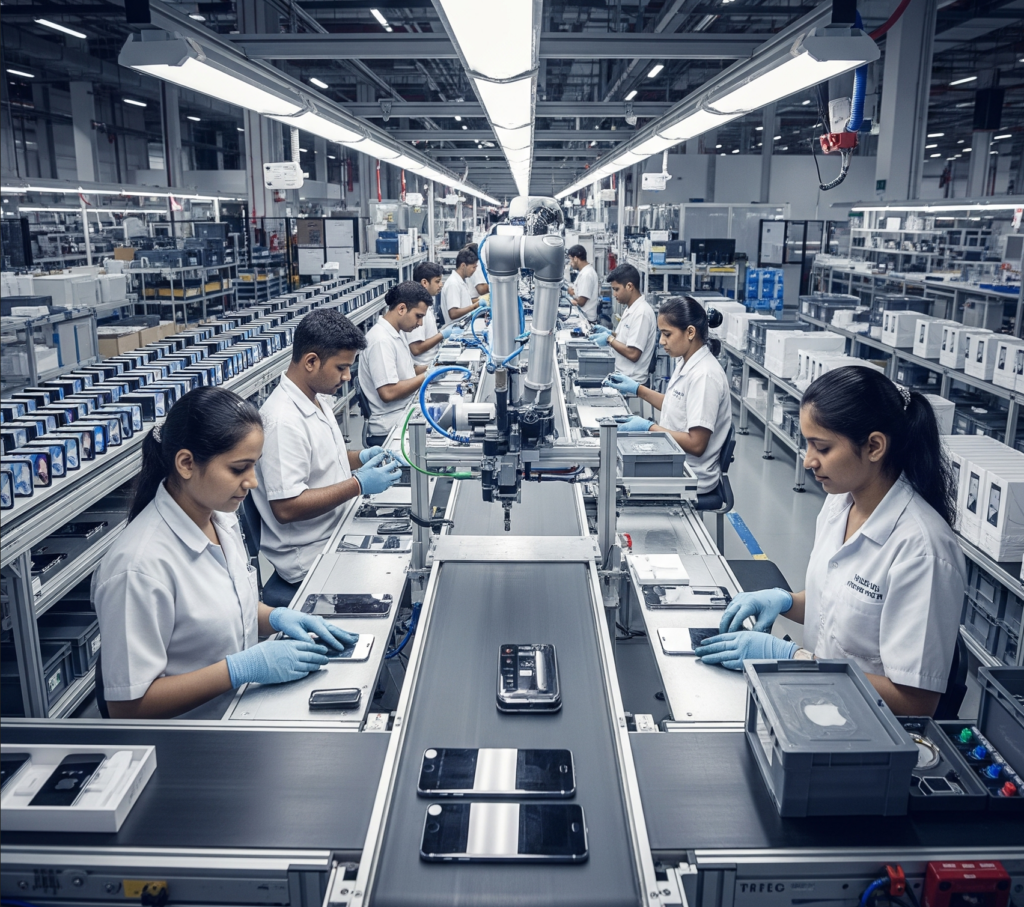
Let’s face it, when you think “iPhone,” you probably think “Made in China.” For decades, that’s been the reality, a testament to China’s incredible manufacturing prowess. But times are changing, and if you’ve been following the news, you’ll know Apple is undergoing a monumental shift, one that’s quietly reshaping where your beloved devices are actually built. And at the heart of this big move? India.
It’s a fascinating story, driven by a cocktail of US tariffs on Chinese goods and Apple’s savvy strategy to untangle its sprawling supply chain from its historical ties to China.
India’s Moment in the Sun: The “Make in India” Dream, how iphone helps
Imagine building an iPhone. Now, imagine doing it somewhere with significantly lower costs. That’s India’s compelling offer to Apple. We’re talking big savings – reports suggest it costs roughly $30 to assemble an iPhone in India, a stark contrast to the eye-watering $390 it would cost in the US, thanks to higher wages and regulations. Even if there were a 25% US tariff on Indian-made iPhones (which isn’t currently the case for most), the price tag would still be a fraction of US production.
But it’s not just cheap labor. The Indian government is rolling out the red carpet with “Production-Linked Incentives” (PLI), essentially sweetening the deal for companies like Apple to set up shop.
And Apple is taking notice. We’re seeing it in the numbers: in April 2025 alone, Apple’s suppliers shipped a staggering 2.9 million iPhones from India to the US, a jaw-dropping 76% jump compared to last year. This isn’t just a trial run; it’s a clear signal that Apple intends to fulfill a substantial chunk of US demand directly from India. Apple CEO Tim Cook himself recently confirmed that for the June 2025 quarter, most iPhones sold in the US will proudly carry an “India-made” label. It’s a quiet revolution, happening right before our eyes.
Those US Tariffs: The Unintended Catalyst
Let’s be clear: the US tariffs slapped on Chinese imports have been a major catalyst for Apple’s diversification. While China remains deeply intertwined with Apple’s manufacturing – housing over 200 crucial suppliers – those tariffs have created a powerful incentive to look elsewhere. The specter of a 25% tariff on iPhones if they aren’t made in the US adds another layer of complexity. But here’s the kicker, and most experts agree: even with potential tariffs, making iPhones in India is still vastly more affordable for Apple than a full-blown shift to US manufacturing, which could, quite literally, triple the price of your next iPhone.
Apple has already felt the pinch of these tariffs, absorbing an estimated $900 million hit in the June 2025 quarter. This financial pressure, combined with a desire for a more robust and resilient supply chain, makes expanding production in India (and other places like Vietnam) a strategic no-brainer.
The China Conundrum: A Complicated Dance
Despite the huge push into India, we can’t forget China. It’s not just a massive market for Apple products; it’s also a manufacturing powerhouse with an unmatched ability to scale, incredible efficiency, and a vast pool of skilled engineers and suppliers. For decades, Apple’s meteoric rise was intricately linked to China’s manufacturing might.
However, this deep reliance comes with its own set of challenges. Beyond the US tariffs, there are whispers that Beijing is now actively discouraging Chinese engineers and suppliers from assisting Apple’s operations in India. They see it as a direct threat to their manufacturing dominance. This kind of “interference” adds a new, potentially tougher hurdle for Apple’s diversification plans. While India holds immense promise, shifting such a colossal and intricate supply chain isn’t like flipping a switch. It demands significant investment in infrastructure and a whole lot of workforce development.
Looking Ahead: Building a Smarter, Stronger iphone Supply Chain
Apple’s journey is a fascinating case study in how global trade is constantly evolving. The company is actively building a more geographically diverse and resilient supply chain. So, while India is stepping up to become a major iPhone production hub, and Vietnam is taking on more responsibility for iPads, Macs, Apple Watches, and AirPods destined for the US market, China will still be the primary origin for the vast majority of Apple products sold elsewhere in the world.
Apple’s path forward is a delicate balancing act: harnessing the cost benefits and government support in India, navigating the intricate world of US tariff policies, and managing its long-standing, yet increasingly complex, relationship with China. Ultimately, Apple’s strategic pivot isn’t just about iPhones; it’s a reflection of a wider industry trend towards de-risking supply chains and adapting to a world where trade winds are always shifting. So, next time you unbox a new Apple device, take a moment to appreciate the incredible global journey it’s taken to get to your hands.
Also check: AI PC: The Next Big Thing in Personal Computing (2025)